






 Yaro Insider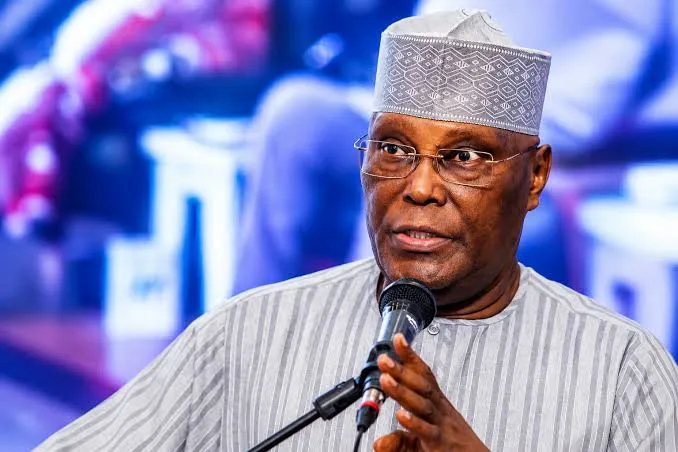
Former Vice President and African Democratic Congress presidential candidate, Atiku Abubakar, has challenged President Bola Tinubu’s claim that Nigeria is entering a period of shared prosperity, arguing that millions of Nigerians are still struggling with rising living costs.
The disagreement followed Tinubu’s Independence Day address, in which the President said Nigeria’s economy had grown by more than four per cent and that the country had reached a turning point after years of difficult economic reforms. Tinubu argued that the focus was now shifting from economic correction to broader prosperity.
Atiku questions economic reality
Responding to the President’s remarks, Atiku said ordinary Nigerians were not experiencing the prosperity being described by the government.
He argued that many families continue to face difficulties paying for food, healthcare, transportation and other basic needs despite official claims of economic improvement.
Atiku also questioned whether falling inflation figures and economic growth statistics were translating into better living conditions for citizens.
According to him, economic success should be measured by improvements in people’s daily lives rather than government announcements alone.
The debate over Tinubu’s reforms
Since taking office in 2023, Tinubu has introduced major economic reforms, including the removal of fuel subsidies and changes to the foreign exchange system.
The administration argues that these measures were necessary to stabilise public finances, attract investment and place the economy on a stronger long-term foundation.
However, the reforms have also been accompanied by a sharp rise in living costs, leading to public frustration in many parts of the country. Reuters reported that many Nigerians continue to struggle with higher food, fuel and transportation costs despite signs of macroeconomic stabilisation.
Fuel subsidy remains a major issue
Atiku criticised the government’s handling of fuel subsidy removal and questioned when Nigerians would begin to see tangible benefits from the policy.
He argued that citizens are more interested in lower living costs than in promises of future economic gains.
The former vice president also proposed targeted support for local fuel refining as part of his broader economic vision.
Security and cost of living
Beyond the economy, Atiku said insecurity remains a major concern for many Nigerians.
He argued that economic hardship and security challenges continue to affect households across the country and should remain central issues in national discussions.
The former vice president maintained that government performance should ultimately be judged by whether citizens can afford basic necessities and feel safe in their communities.
A political battle ahead of 2027
The exchange highlights what is likely to become one of the defining debates ahead of the 2027 presidential election.
Tinubu and his supporters argue that painful reforms are beginning to produce results and that patience is required for the benefits to spread through the economy.
Critics, including Atiku, contend that many Nigerians are yet to feel those benefits and that economic statistics alone cannot erase the realities of hardship facing households.