






 Nanah Usman
Aviation experts have questioned the economic justification for the Federal Government’s proposed N100.5 billion reimbursement to Yobe State for the construction of the Muhammadu Buhari International Cargo Airport in Damaturu.
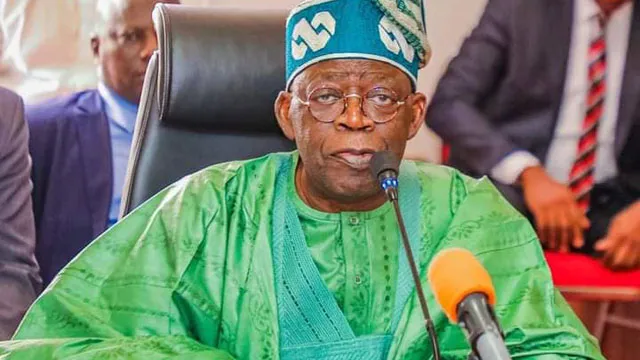
The criticism followed President Bola Tinubu’s request for legislative approval to issue a promissory note through the Debt Management Office to settle the amount recommended for the airport project.
The proposal has raised questions about the financial sustainability of state-owned airports, the economic value of large infrastructure projects and the criteria used to determine reimbursement from public funds.
In separate interviews with Punch, aviation industry stakeholders argued that airport projects should be supported by credible passenger and cargo forecasts, clear economic objectives and realistic plans for operations and maintenance.
Experts question airport’s economic viability
Olumide Ohunayo, an aviation analyst and member of the Aviation Round Table, questioned whether some state governments had built airports on a scale their local economies could sustainably support.
He said airports were sometimes developed as social infrastructure, but warned that projects could become financially burdensome when their size and operating costs exceeded realistic demand.
Ohunayo also raised concerns that expectations of eventual federal reimbursement could weaken incentives for cost control and sound project planning.
He argued that the cost claimed for an airport should be considered alongside the quality and condition of the infrastructure delivered.
The Managing Director of the Federal Airports Authority of Nigeria, Olubunmi Kuku, has also cautioned state governments against undertaking airport projects without thorough feasibility and economic assessments.
She noted that air travel remains beyond the reach of a relatively small share of Nigeria’s population.
Tinubu seeks approval for N100.5bn payment
Tinubu’s request concerns the Muhammadu Buhari International Cargo Airport, built by the Yobe State Government in Damaturu.
In letters sent to the Senate President, Godswill Akpabio, and the Speaker of the House of Representatives, Tajudeen Abbas, the President sought approval for a promissory note programme to reimburse the state.
According to the President, the Federal Executive Council approved the airport’s takeover and reimbursement at an extraordinary meeting on May 23, 2023.
The Bureau of Public Procurement subsequently reviewed the project and recommended reimbursement of approximately N100.509 billion.
The proposal would allow the Federal Government to compensate Yobe State following the planned takeover of the airport.
However, the request requires legislative consideration before the proposed payment can proceed.
Aviation regulation remains a federal responsibility
Former Rector of the Nigerian College of Aviation Technology, Samuel Caulcrick, explained that the constitutional framework places aviation on the Exclusive Legislative List.
He said state governments can construct, finance and maintain airports within their territories, but do not have the authority to regulate aviation operations, control airspace or issue aviation licences.
Those responsibilities rest with federal institutions, including the Nigerian Civil Aviation Authority, the Federal Airports Authority of Nigeria and the Nigerian Airspace Management Agency.
The constitutional allocation of aviation powers, however, does not automatically establish that every state-built airport must be taken over by the Federal Government or that the state is automatically entitled to reimbursement.
The financial arrangement and its supporting approvals therefore remain central to scrutiny of the proposal.
Senate begins scrutiny of reimbursement request
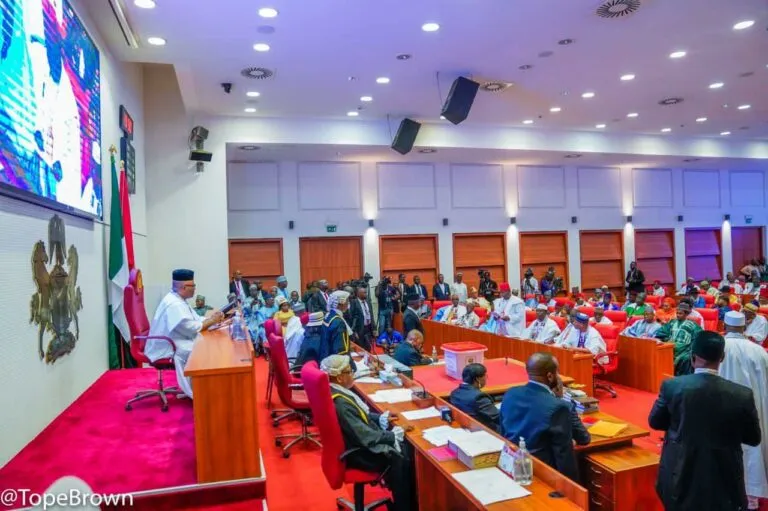
The Senate referred the proposed reimbursement to its Committee on Local and Foreign Debts for examination, with the committee given one month to review the request and report back.
The referral means the proposal remains under legislative scrutiny rather than constituting a final approval for payment.
The debate has placed renewed attention on how governments assess the economic value of airports, determine the costs of completed infrastructure and manage financial obligations between federal and state authorities.
For Yobe State, the reimbursement would provide compensation for an airport project taken over by the Federal Government.
For critics, the central questions concern the cost of the project, the economic case for the facility and the standards used to justify the use of public funds.
The Senate’s review is expected to help determine whether the proposed promissory note programme should proceed.