







 Yaro Insider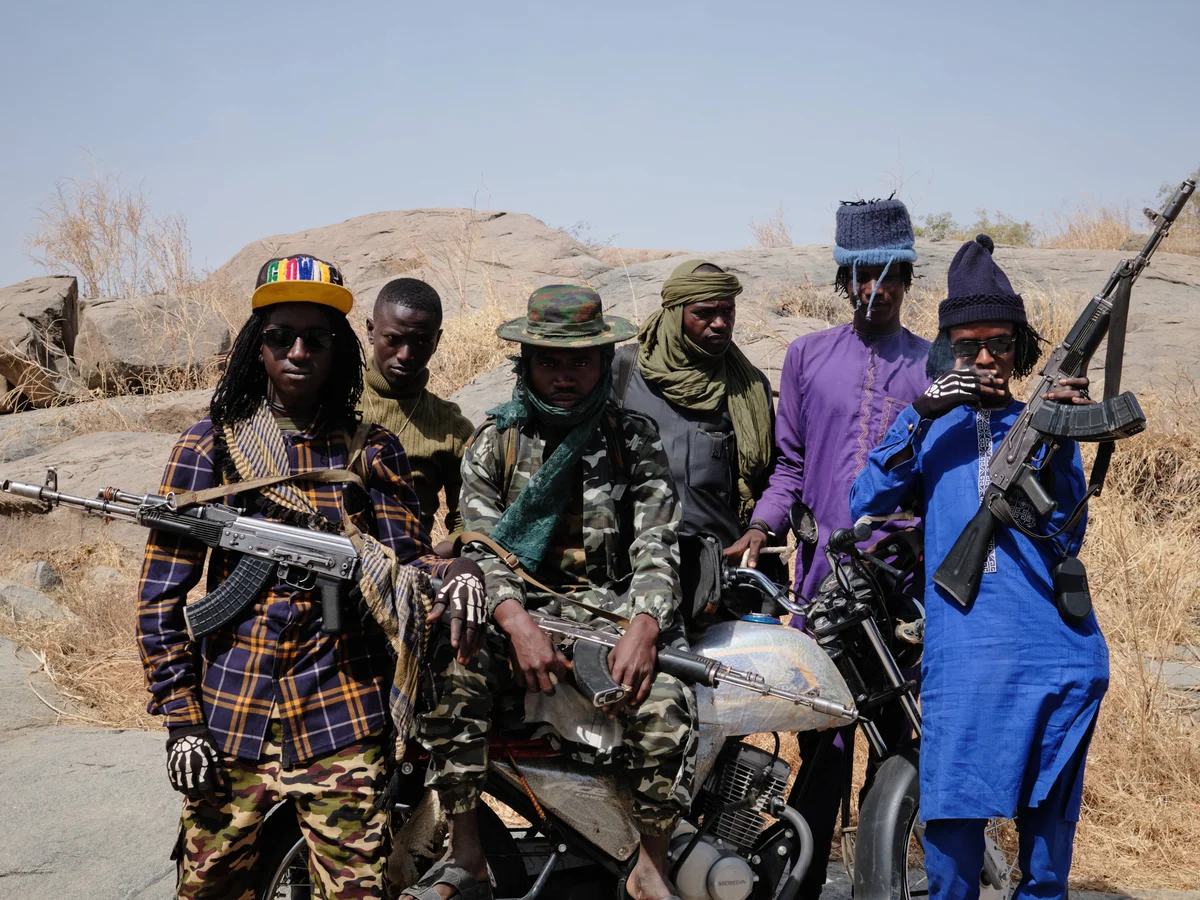
Nigeria cannot afford to treat banditry as a problem involving only the men carrying guns.
Behind a criminal operation may be a network responsible for obtaining weapons, supplying ammunition, arranging transportation, moving money and supporting other logistical needs. Identifying and dismantling those networks is an important part of any lasting effort to reduce the threat.
Yet a fundamental question remains: how far can Nigeria go in fighting banditry if investigations do not also establish who finances, supplies and profits from these criminal activities?
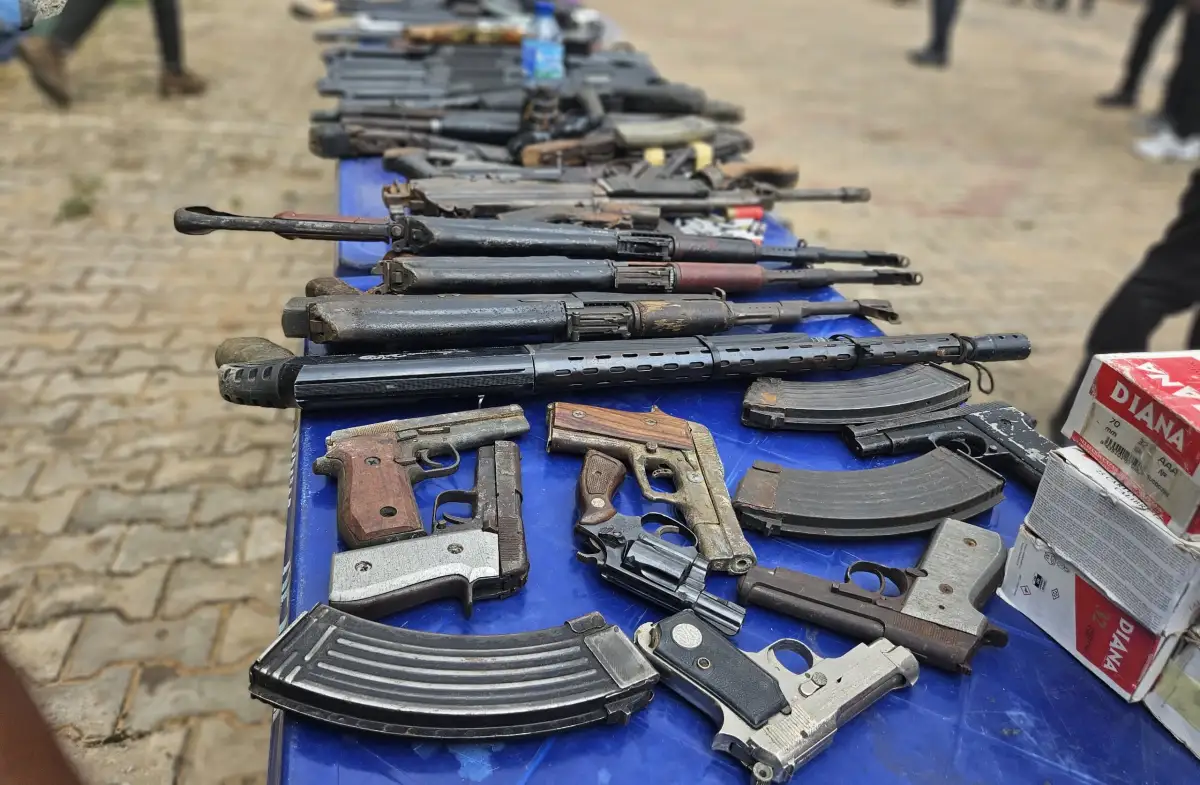
Military operations can disrupt armed groups. Arrests can remove suspected offenders from circulation. Weapons recovered from criminal hideouts can reduce their immediate firepower.
But if the people supplying replacement weapons and financing criminal operations remain active, the networks may have opportunities to rebuild.
The question is not only who carries the gun. It is also who supplies it, who pays for it and who profits from the violence.
Follow the money, not just the gunmen
Kidnapping, illegal arms trafficking and other organised crimes can involve multiple participants.
Some may carry out attacks. Others may allegedly arrange supplies, transport goods, collect payments or provide financial services.
Investigators must establish the role of each person through evidence rather than assumptions.
Financial investigations can help authorities identify suspicious transactions, trace assets and establish relationships between suspected participants. Weapons tracing can also help determine whether recovered firearms were stolen, diverted from legal stocks, manufactured locally or trafficked across borders.
These investigations require cooperation among the police, military, intelligence agencies, financial investigators, prosecutors and institutions responsible for controlling illicit firearms.
Arresting an armed suspect may be an important breakthrough. Establishing the wider network behind that suspect can be equally important.
Where do the weapons come from?
Illegal firearms do not all enter criminal networks through the same route.
Weapons may be trafficked across borders, stolen from legitimate owners, diverted from authorised stocks or produced by local manufacturers.
Each possibility requires a different investigative response.
When authorities recover a weapon, Nigerians should expect investigators to examine its origin where possible, trace its movement and determine how it reached the person carrying it.
If evidence points to theft or diversion from an official stockpile, the circumstances should be investigated.
If a trafficking network is suspected, investigators should pursue the suppliers and transporters involved.
If locally manufactured weapons are recovered, authorities should investigate the production and distribution networks.
The objective should be to establish the facts, identify those responsible and prevent the same supply routes from continuing to support criminal activity.
Who finances the criminal operations?
This is one of the most important questions in the fight against banditry.
Criminal networks may require money for weapons, ammunition, transportation, communications and other operational needs.
But the existence of a criminal financing network should not become an excuse to accuse people without evidence.
Authorities must establish financial links through lawful investigations, reliable records, witness testimony and other admissible evidence.
Where transactions appear suspicious, investigators should determine their purpose and identify the people behind them.
Where evidence establishes that an individual knowingly financed criminal activity, that person should face prosecution under the applicable law.
The public also deserves to know how many financial investigations have resulted in arrests, prosecutions, convictions or the recovery of assets linked to crime.
Without transparent, carefully qualified reporting on these outcomes, it becomes difficult to assess the effectiveness of efforts to disrupt criminal financing.
What should security agencies explain?
Nigerians deserve answers to several important questions.
How many investigations have specifically targeted the financial networks behind banditry?
How many suspected arms traffickers have been prosecuted?
How many recovered firearms have been traced to their original sources?
How many assets have been frozen or recovered through investigations into the financing of violent crime?
How effectively are agencies sharing intelligence about suspected suppliers and financiers?
What measures are being taken to prevent weapons from being diverted from legitimate stocks?
These questions do not require authorities to disclose operational secrets that could endanger investigations. They require credible public reporting on progress, accountability and results.
The government should provide figures that can be independently assessed, explain what those figures measure and acknowledge areas where investigations remain incomplete.
Arrests are not the same as convictions
There is another important distinction.
A person being questioned, arrested or named in an allegation is not proof of guilt.
Investigators must gather evidence, prosecutors must present their cases and courts must determine guilt according to the law.
The same standard should apply regardless of a suspect’s political connections, social status, occupation or financial resources.
Where credible evidence implicates a powerful person, investigators should pursue it without favouritism. Where allegations cannot be substantiated, the public should not be encouraged to treat them as proven facts.
Accountability must be based on evidence, not rumours or political convenience.
Nigeria needs measurable results
The fight against banditry should not be assessed only by the number of operations announced or weapons displayed at press conferences.
Citizens also need to know whether communities are becoming safer, whether kidnapping is declining in affected areas, whether criminal supply networks are being dismantled and whether prosecutions are producing lawful outcomes.
Security agencies should explain how they measure these results and what happens when an approach fails to deliver lasting improvements.
The government must also recognise that military operations alone cannot resolve every factor contributing to insecurity. Effective policing, intelligence gathering, functioning courts, secure rural communities and action against criminal financing all have roles to play.
No single intervention guarantees success.
But leaving the financial and logistical networks behind violent crime insufficiently investigated risks allowing important parts of the problem to persist.
The questions Nigerians should keep asking
Banditry has cost communities lives, livelihoods, homes and economic opportunities. Families deserve more than repeated assurances that operations are ongoing.
They deserve a clear explanation of how authorities intend to reduce the ability of criminal groups to obtain weapons, finance their activities and rebuild after security operations.
Who supplies the weapons?
Who finances the operations?
Who moves the money?
Who profits from stolen property and other criminal activity?
How many people linked to these networks have been successfully prosecuted?
And what evidence shows that the networks are being disrupted?
These are questions for investigators, security agencies, prosecutors and political leaders responsible for public safety.
Nigeria’s fight against banditry must reach beyond the people pulling the triggers. It must also investigate the supply chains, financial networks and support systems that allow criminal groups to continue operating.
The ultimate test is not how many announcements the government makes. It is whether the evidence shows that criminal networks are being dismantled and communities are becoming safer.

 Alamin Musa
 Nanah Usman