










 Yaro Insider

You see a product on Instagram, Facebook, WhatsApp or an online shopping website. The seller sends pictures, answers your questions and promises delivery within a few days.
You make the payment.
Then the excuses begin. The seller says the delivery is delayed. Messages are ignored. Phone calls go unanswered. Before long, the account disappears or you discover that you have been blocked.
For many Nigerians, this is how an ordinary online purchase turns into a financial loss.
But losing contact with a seller does not mean the buyer has no options. There are steps consumers can take, although recovering the money is not guaranteed.
Start with your bank or payment provider
If you transferred money directly into the seller’s bank account, contact your bank immediately.
Explain that the payment was made for goods that were never delivered and that the seller has stopped responding. Ask the bank to open a fraud complaint, contact the receiving institution and determine whether a recall or other recovery action is possible.
Provide the transaction reference, amount, date, recipient’s account details and evidence of the purchase.
If you paid with a debit or credit card, contact the card issuer and ask whether a chargeback or payment dispute is available.
Act quickly. A delay can make it harder to trace or recover money, especially if the recipient has already moved it.
However, a bank cannot promise that a transfer will automatically be reversed simply because the buyer reports fraud.
The consumer protection agency Nigerians can approach
The Federal Competition and Consumer Protection Commission (FCCPC) is responsible for protecting consumers against unfair business practices.
A buyer who paid for a product that was never delivered can submit a complaint, providing details of the seller, the amount involved and the remedy being requested.
The commission advises consumers to first engage the business and keep evidence of that communication. If the seller refuses to respond or resolve the complaint, the consumer can escalate the matter.
Supporting documents may include payment receipts, order confirmations, screenshots of advertisements, WhatsApp conversations and emails.
The FCCPC says its complaint process is free. Its published complaint-handling procedure gives a general redress period of one to 45 days, although some cases may take longer.
The commission also makes an important distinction: it handles consumer complaints but does not investigate criminal matters. Where the case involves deliberate fraud, law enforcement may need to intervene.
When the seller has disappeared, report the suspected fraud
If there is evidence that the seller deliberately collected money without intending to supply the product, the buyer can report the matter to the police.
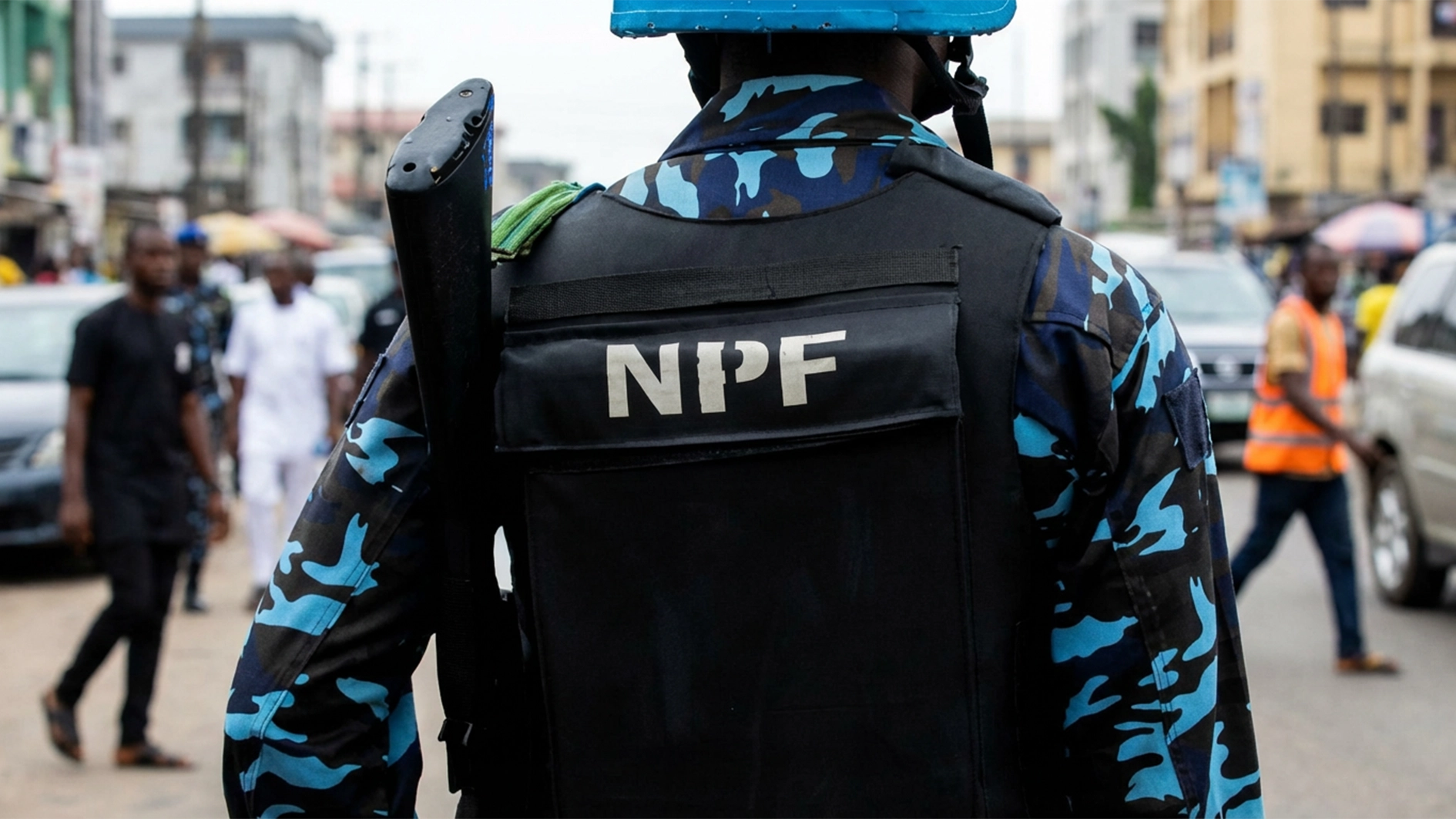
The Nigeria Police Force National Cybercrime Centre provides an online channel for reporting cybercrime, including online fraud.
The report should contain the seller’s phone number, social media account, bank account details, transaction records and any other evidence that can help investigators.
Consumers can also approach the appropriate police command or the Economic and Financial Crimes Commission, depending on the circumstances.
A police report does not automatically guarantee a refund, but it can help authorities investigate the suspected offence and trace the people involved.
What if the bank refuses to help?
There is another route when the complaint concerns the bank itself.
The Central Bank of Nigeria says customers must first complain to their financial institution. If the bank fails to resolve the complaint within two weeks, the customer can escalate it to the CBN’s Consumer Protection Department.
This route concerns the bank’s handling of the complaint. It does not mean the CBN will automatically order a seller to refund money.
Keep the evidence. Do not delete the conversation
One mistake some victims make is deleting messages after discovering they have been scammed.
Keep screenshots of the seller’s profile, product advertisement, agreed price, delivery promise, payment confirmation and every attempt to contact the seller.
Do not send additional money for supposed delivery charges, clearance fees or refund processing. Be cautious of people who claim they can recover the money for an upfront payment.
Online shopping has made it easier for Nigerians to buy products from sellers they may never meet. But when a transaction goes wrong, consumers should know where to seek help.
The bigger question is whether enough victims are reporting these cases and whether the existing complaint and investigation systems are helping them recover their money.
Also read: Oyo police arrest suspected serial burglar, recover stolen items worth N16.2m

 Nanah Usman