






 Abdulkadir Husaini
When Nigerians discuss wealth in government, attention usually focuses on the presidency, governors and federal ministries.
Yet some of the country’s most financially powerful public institutions are local governments.
Every month, Nigeria’s 774 local government areas receive allocations from the Federation Account Allocation Committee (FAAC). Some also generate significant revenue through markets, businesses, property rates, permits, transportation activities and commercial taxes.
The result is a striking reality: a handful of local governments now control budgets running into billions of naira annually, making them wealthier than many public institutions across the country.
Why Lagos dominates the rankings
If there is one state that consistently dominates discussions about wealthy local governments, it is Lagos.
Data analyses of local government revenues show that Lagos councils receive the highest allocations and generate some of the strongest local revenues in the country due to population size, commercial activity and property values.
In fact, all 20 Lagos local governments ranked among the highest recipients of FAAC revenue during the first half of 2024.
The richest local governments in Nigeria
1. Alimosho (Lagos State)
Alimosho is widely regarded as Nigeria’s richest local government.
Home to millions of residents and thousands of businesses, it combines a large population with substantial commercial activity.
According to revenue analyses, Alimosho received about ₦11.13 billion in FAAC allocations in the first half of 2024 alone, making it the highest-earning local government in Nigeria.
2. Ajeromi-Ifelodun (Lagos State)
Located in metropolitan Lagos, Ajeromi-Ifelodun benefits from dense population, commerce and economic activity.
The council received approximately ₦8.90 billion in FAAC allocations during the same period.
3. Kosofe (Lagos State)
Kosofe has become one of the strongest revenue-generating councils in Lagos because of its strategic location and growing business environment.
It received roughly ₦8.80 billion in allocations.
4. Mushin (Lagos State)
Mushin remains one of Nigeria’s busiest commercial hubs, contributing to its strong financial position among local governments.
5. Oshodi-Isolo (Lagos State)
The presence of major transportation routes, markets and business activities has helped Oshodi-Isolo become one of Nigeria’s highest-earning councils.
6. Ojo (Lagos State)
Ojo’s strategic location and economic activities contribute significantly to its revenue profile.
7. Ikorodu (Lagos State)
Rapid urban growth and industrial development have transformed Ikorodu into one of Nigeria’s wealthiest local governments.
8. Surulere (Lagos State)
Known for its commercial importance and real estate value, Surulere continues to rank among the country’s richest councils.
9. Ikeja (Lagos State)
As the capital of Lagos State and home to major corporate headquarters, government offices and the international airport, Ikeja remains a major revenue center.
10. Abuja Municipal Area Council (FCT)
Outside Lagos, the Abuja Municipal Area Council (AMAC) is frequently cited among Nigeria’s richest local governments because of its role as the administrative center of the Federal Capital Territory.
Where does the money come from?
The wealth of these councils comes from multiple sources:
- Federal allocations (FAAC)
- Property and tenement rates
- Market levies
- Business permits
- Transportation-related fees
- Local taxes
- Commercial activities
- Internally generated revenue (IGR)
Lagos councils enjoy a significant advantage because they operate within Nigeria’s largest urban economy. The concentration of businesses, industries and high-value properties gives them access to revenue streams unavailable to most local governments.
Does more money mean better development?
Not necessarily.
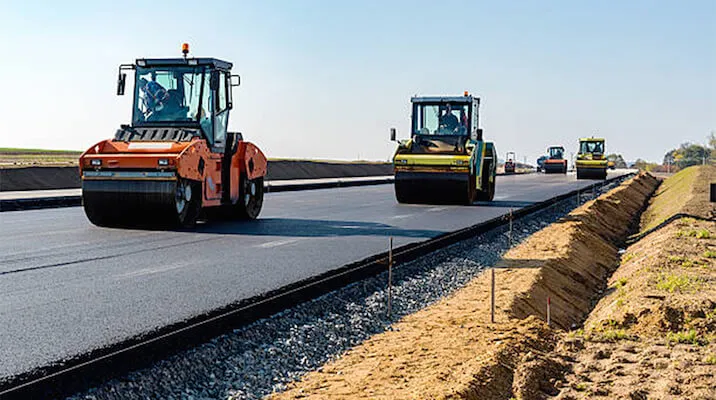
One of the biggest debates surrounding local government finances is whether increased revenue translates into improved roads, healthcare, education and public services.
Governance experts argue that while some councils have benefited from strong revenue growth, questions remain about transparency, accountability and service delivery. Studies examining local government revenue performance have found that revenue growth does not always lead to proportional development outcomes.
The bigger picture
The story of Nigeria’s richest local governments is not just about money.
It is about power.
The councils that control the largest revenues often wield significant influence over local development, infrastructure projects and grassroots politics.
As calls for greater local government autonomy continue across the country, the financial strength of these councils is likely to become even more important.
When it comes to local government wealth in Nigeria, Lagos remains in a league of its own.


 Yaro Insider