






 Yaro Insider

As Bauchi State approaches the end of Governor Bala Mohammed’s second term in 2027, residents have an important opportunity to examine nearly eight years of government spending, public projects and promises.
Mohammed took office on May 29, 2019. Since then, his administration has highlighted investments in roads, healthcare, education, housing and other infrastructure.
But as the end of his tenure approaches, residents deserve clear answers about what was promised, what was delivered, how much was spent and what remains unfinished.
This is not about supporting or opposing a political party. It is about the public’s right to know how public money has been used.
1. How much money has Bauchi received in eight years?
Bauchi State receives revenue from federal allocations, internally generated revenue, grants and other sources. The government also prepares annual budgets to fund public services and development projects.
Residents should ask how much revenue the state received each year, how much it spent, how much it borrowed and what results the spending produced.
The government should make its financial records accessible so citizens can compare budget promises with actual expenditure.
The questions are straightforward: How much money came in? Where did it go? What can residents see in return?
2. What happened to the money spent on roads?
Road construction and rehabilitation affect transportation, trade, farming and access to essential services.
Residents should ask the government to publish a complete list of major road projects awarded since 2019, including contract values, contractors, completion dates and current conditions.
Which roads have been completed? Which remain unfinished? Were contract costs increased after the initial agreements? Were completed projects properly inspected?
A project should not be judged only by an announcement or an official photograph. Residents need evidence that the work was completed and public money produced lasting results.
3. Are hospitals and schools delivering better services?
Building or renovating a hospital does not automatically guarantee better healthcare. The same applies to schools.
Bauchi residents should ask whether public hospitals have enough medical staff, essential medicines, equipment and reliable electricity.
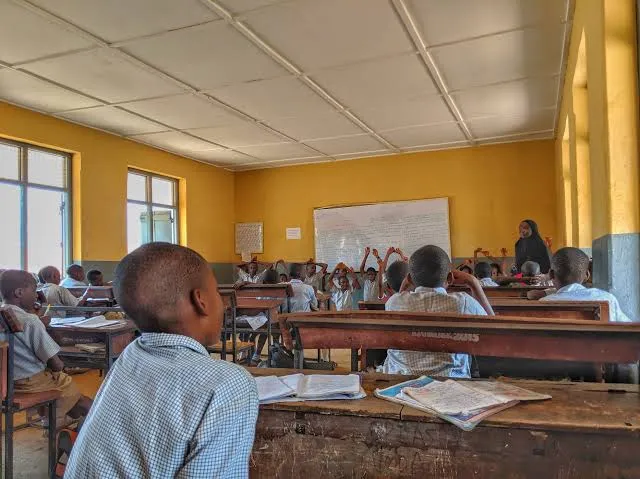
They should also examine whether schools have adequate classrooms, qualified teachers, learning materials and safe facilities.
How many facilities were built or renovated during the governor’s tenure? How much did the projects cost? How many are operational today?
The government should provide measurable information that allows residents to assess whether public services have improved.
4. How much was spent on renovating the Government House?
Public spending on government buildings deserves the same scrutiny as spending on roads, schools and hospitals.
A report published in November 2024, citing Bauchi State’s 2023 audited financial report, raised questions about the cost of upgrading the Government House.
According to the report, a contract initially valued at approximately ₦6.6 billion increased to about ₦16.1 billion following a variation of roughly ₦9.5 billion.
The report also questioned differences between figures in the audit report and those recorded in the state’s budget performance report.
These figures require a clear explanation from the relevant authorities.
What work justified the increase? Were the additional costs properly approved and documented? Was the work completed? Do the contract documents, audit findings and payment records agree?
The reported figures do not, by themselves, establish that a crime occurred. The government should be given an opportunity to explain the expenditure, and the original records should be examined.
5. What happened to youth employment and empowerment promises?
Young people need opportunities to earn a living, develop skills and establish businesses.
Residents should ask the government to publish details of youth employment and empowerment programmes implemented since 2019.
How many people participated? How many received grants, loans, equipment or training? How much did each programme cost? How were beneficiaries selected?
The government should distinguish between people who registered, those who actually received support and those who secured lasting employment or established viable businesses.
The number of beneficiaries matters, but the long-term impact matters too.
6. How much debt will the next administration inherit?
Bauchi residents deserve to know the state’s outstanding debt and other financial obligations as the next administration prepares to take over.
Citizens should ask how much the state owes, how much it repays each year and which projects were financed through borrowing.
They should also ask whether the government has outstanding payments to contractors and other creditors.
Borrowing can help finance important infrastructure, but residents need to understand the costs, repayment obligations and expected benefits.
A transparent handover should include a clear statement of outstanding debt, ongoing projects and contractual commitments.
7. Which projects remain unfinished?
Before the current administration leaves office, residents should demand a public list of ongoing, delayed and abandoned projects.
For each project, the government should disclose the original contract sum, amounts paid, work completed, remaining cost and expected completion date.
This information would help residents understand which projects can be completed before the handover and which will require action from the next administration.
It would also help prevent unfinished projects from disappearing from public discussion after a change of government.
8. What should Bauchi residents demand before 2027?
Governor Bala Mohammed’s record should be assessed through evidence, not political slogans.
Residents, journalists, civil society groups and community leaders can examine official budgets, audited financial statements, contract records and project sites.
They should also ask the government to explain discrepancies in public records and respond to concerns raised in audit reports.
The state government should make relevant records accessible and answer reasonable questions about public spending.
As Bauchi approaches the 2027 transition, residents deserve more than a list of projects and political claims. They deserve evidence of what was achieved, what was spent and what remains to be done.
Eight years in office is enough time to ask serious questions. Bauchi residents deserve clear answers backed by records.
Also read: Court orders El-Rufai to enter defence in alleged wiretapping case

 Nanah Usman