






 Nanah Usman

The Peoples Democratic Party (PDP) and the All Progressives Congress (APC) in Bayelsa State have exchanged criticism over their respective capacities to secure votes for President Bola Tinubu in the 2027 presidential election.
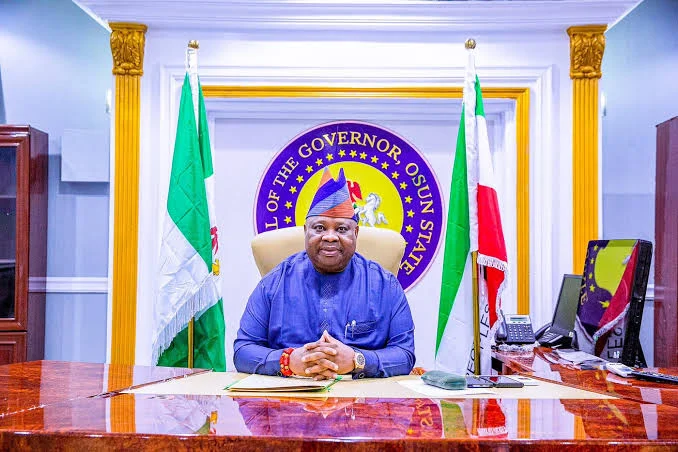
The dispute centres on whether Governor Douye Diri, who defected from the PDP to the APC in 2025, can deliver the state to Tinubu without the support of the PDP-led Rainbow Coalition associated with Federal Capital Territory Minister Nyesom Wike.
Bayelsa APC Chairman, Warman Weri Ogoriba, maintained that the ruling party has sufficient structures and grassroots support to secure victory for Tinubu, dismissing suggestions that the Rainbow Coalition holds decisive influence in the state.
However, PDP Chairman George Turnah argued that the APC was overstating its political strength and could not secure the state for Tinubu without support from other political groups.
PDP questions Diri’s political influence
Turnah, through a statement issued by his Senior Special Assistant on Media and Communication, Kelvin Loveday-Egbo, said the 2027 election would be determined by voters rather than claims of political structures.
He argued that the Rainbow Coalition and the PDP retained significant grassroots networks across Bayelsa’s communities and could play an important role in Tinubu’s re-election campaign.
The PDP chairman also recalled the 2023 presidential election, citing the votes recorded by the PDP, Labour Party and APC as evidence of the state’s competitive political landscape.
He further argued that Diri’s defection had left some former APC members dissatisfied with the party’s new leadership structure.
Turnah maintained that the APC should recognise the importance of cooperation with political groups outside its formal membership if it hopes to secure broad support for Tinubu.
APC insists Diri can deliver Bayelsa
Ogoriba rejected the PDP chairman’s position, insisting that the APC had the organisational strength, membership and grassroots presence required to mobilise voters across the state.
He argued that the party, under Diri’s leadership, was capable of delivering Bayelsa to Tinubu without depending on the Rainbow Coalition.
The APC chairman’s position reflects the ruling party’s efforts to
consolidate its structure following the governor’s defection and the movement of several political officeholders into its ranks.
Diri had previously urged APC members to work together and prioritise Tinubu’s second-term ambition during a stakeholders’ meeting in Yenagoa in January 2026.
Wike’s Rainbow Coalition adds to political contest
The disagreement also highlights the growing role of Wike’s Rainbow Coalition in the political calculations ahead of 2027.
Although Wike is a PDP figure, he has openly backed Tinubu’s re-election bid and encouraged political mobilisation across party lines.
In Bayelsa, the coalition’s supporters have argued that their grassroots networks could provide additional support for the President, while the APC maintains that its own structures are sufficient.
The debate has created an unusual political arrangement in which members of the PDP are positioning themselves to support an APC presidential candidate while maintaining their separate party identity.
2027 election to test Bayelsa political realignment
The dispute comes after Diri’s departure from the PDP and his subsequent alignment with the APC, a development that changed the political balance in Bayelsa.
However, the movement of political leaders between parties does not automatically establish how voters will behave at the polls.
The 2027 presidential election will provide an opportunity to assess whether Diri’s political realignment has translated into wider electoral support for Tinubu.
For now, both parties are making competing claims about their grassroots influence, with the final decision resting with Bayelsa voters.

 Yaro Insider