







 Yaro Insider
The Federal Government has warned Colleges of Education against offering degree programmes without qualified lecturers, adequate facilities and proper academic standards.
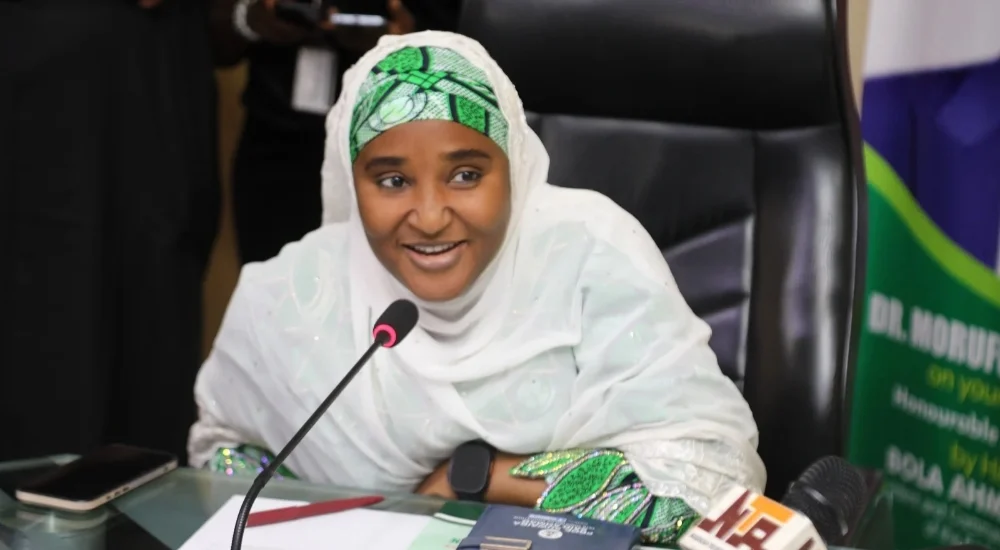
The Minister of State for Education, Professor Suwaiba Ahmad, gave the warning on Tuesday, October 27, 2026, in Abuja during a national workshop on implementing the Dual Mandate policy for Colleges of Education.
The warning comes as the government seeks to expand access to degree programmes while ensuring that students receive quality education and graduate with the skills needed to become effective teachers.
Ahmad said the success of the policy would not be measured by the number of colleges introducing degree programmes but by the quality of education they provide.
She urged college administrators to ensure that their institutions meet the required standards before starting or expanding their programmes.
What is the Dual Mandate policy?
The Dual Mandate policy allows eligible Colleges of Education to continue offering the Nigeria Certificate in Education (NCE) while also running approved bachelor’s degree programmes in education.
The policy is intended to broaden access to higher education, improve teacher training and strengthen the quality of teaching in Nigeria.
However, participating institutions must satisfy the relevant regulatory requirements before offering degree programmes.
According to the minister, colleges must have qualified academic staff, suitable teaching facilities, effective quality assurance systems and proper management structures.
She warned that institutions should not treat the policy simply as an opportunity to introduce more courses or award additional qualifications.
Government demands better teaching standards
Ahmad said the government expects colleges to invest in staff development, teaching resources, supervision and digital technology.
She also highlighted the importance of the new Dual Mandate Curriculum, which was unveiled alongside the National Commission for Colleges of Education’s Medium-Term Strategic Plan for 2026–2031.
The curriculum is expected to provide minimum academic standards for degree programmes, covering teaching, student assessment, subject knowledge and practical teaching skills.
The minister said the quality of teacher education must be reflected in graduates’ competence and readiness for professional responsibilities.
NCCE warns against policies that remain on paper
The Executive Secretary of the National Commission for Colleges of Education, Dr Angela Ajala, said the policy creates an opportunity to improve teacher education and strengthen institutional accountability.
However, she warned that a curriculum alone would not transform education without properly prepared lecturers, adequate facilities, sustainable funding and effective leadership.
Ajala urged colleges to assess their capacity, identify weaknesses and develop practical plans for implementing the reforms.
She also called for stronger cooperation among the Federal Ministry of Education, the NCCE, the National Universities Commission and college managements to ensure consistent standards and avoid unnecessary duplication of regulatory responsibilities.
The commission plans to use its annual retreat to review progress, assess institutional performance and address challenges affecting teacher education.
What this means for students
The government’s warning places greater responsibility on Colleges of Education to ensure that their degree programmes meet approved standards.
Students considering admission should confirm that their chosen institution is authorised to offer the specific programme they intend to study.
They should also ask about lecturers, facilities, practical teaching opportunities and the status of the programme’s approval.
A college’s decision to advertise a degree programme does not, by itself, establish that the programme has received all necessary approvals.
For parents and students investing money and years of study in higher education, verifying the status of a programme before paying fees can help prevent costly problems later.
The government’s challenge will be to ensure that the new policy leads to consistent enforcement, stronger institutions and better-trained teachers.
Ultimately, expanding access to degree programmes will only benefit students if colleges can deliver the quality of education they promise.
Also read: Nigeria’s public schools: what are students paying for when classrooms lack basic facilities?

 Precious Olamide
 Nanah Usman